

A boxing class, a motorcycle ride, a whiskey tasting: none of these belongs to men. Yet for years, the imagery, language and assumed customer for each could make a woman feel like a guest in somebody else’s hobby. That is changing. More women are trying activities once marketed primarily to men, and businesses are learning that the appeal is not a “female version” of the same experience. It is the chance to take part without having to prove they belong first.

The numbers show a shift, not a single wave
There is no one global dataset tracking women’s bookings across adventure days, tastings and sports. The clearest evidence comes from individual activities, and it shows that change is uneven. In the United States, women’s share of motorcycle owners rose from about one in ten to 19% over less than a decade, according to the Motorcycle Industry Council’s 2018 survey of 2,472 adults. That measures ownership, not experience bookings, but it suggests women are moving from passenger to rider.
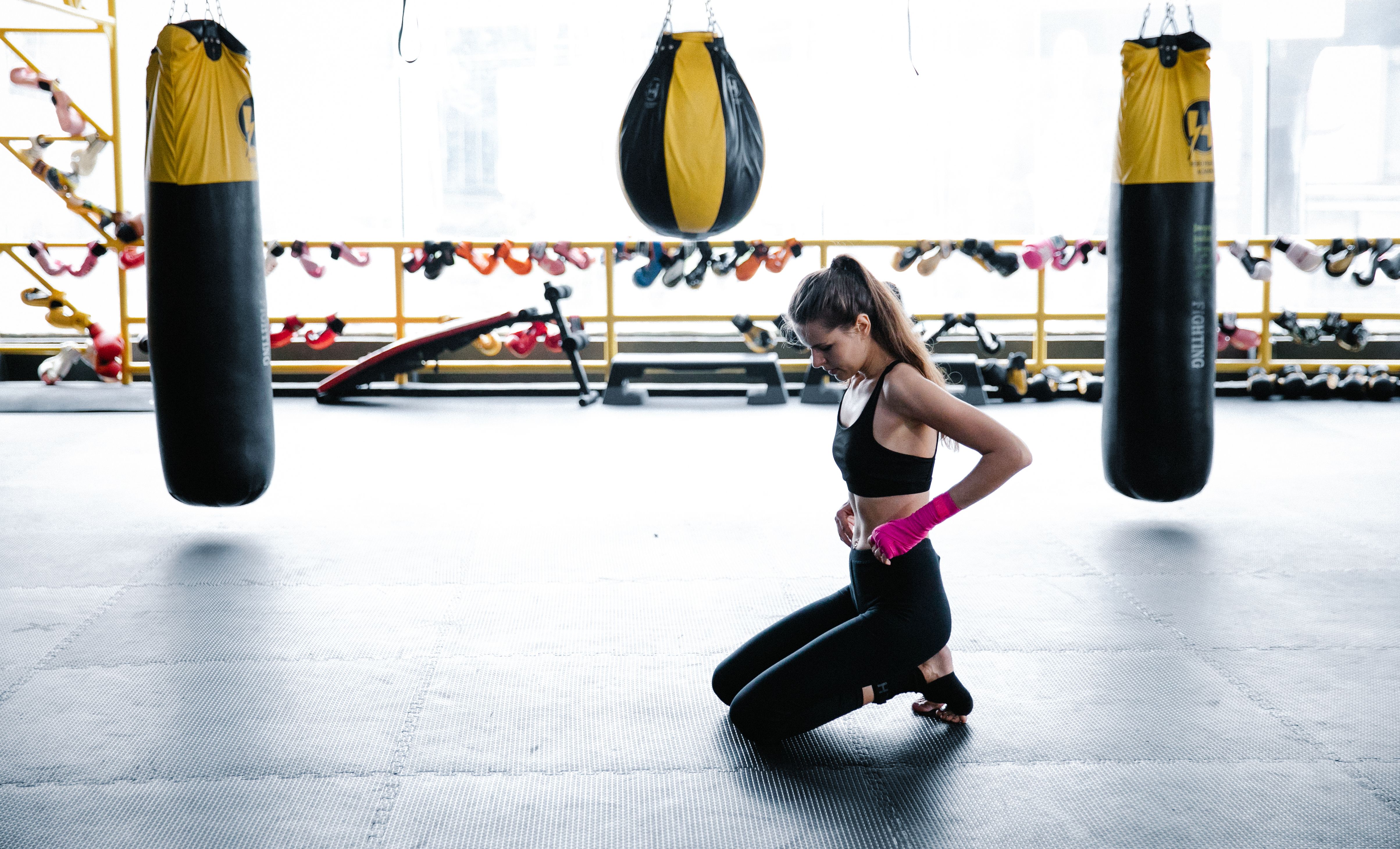
In England, Sport England’s Active Lives figures showed women and girls regularly involved in boxing, including boxing-related fitness classes, increasing from 356,500 in 2015–16 to 420,400 in 2018–19. That distinction matters: a fitness class, a technical boxing session and a competitive bout are not interchangeable. Still, the numbers show women entering a space many people continue to imagine as male by default.
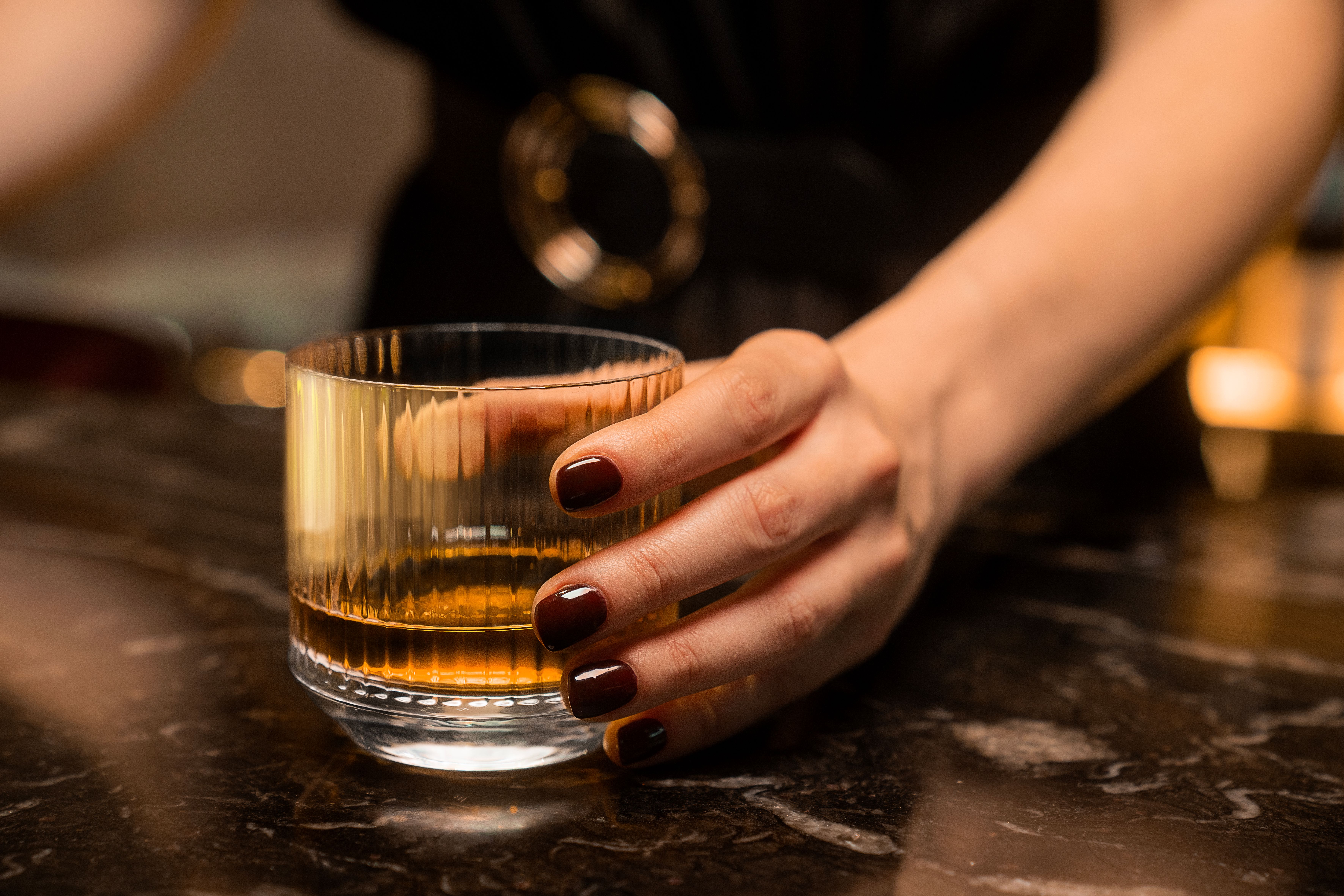
Whiskey offers a more recent, geographically specific example. India Today reported in 2024, citing Diageo India, that women accounted for 64% of new growth in single-malt sales in India. The figure comes from a company, not a census of drinkers, so it should be read as a market signal rather than a universal statistic. But the broader point is clear: brands are responding to customers who were there all along, even when the marketing did not picture them.
Why book something that once seemed “not for me”?
Part of the draw is straightforward curiosity: the pleasure of learning a physical skill, handling a powerful machine, or discovering how a drink is made. But there is also a satisfying reversal in walking into a space that used to imply you were an exception. The reward is not necessarily proving anything to anyone. It can be as simple as enjoying an activity without asking whether it matches somebody else’s idea of femininity.
Booking changes the experience, too. A first-timer can choose an introductory session, an instructor, a small group or a women-led event instead of arriving alone at an established club and hoping someone explains the unwritten rules. An experience can be a low-commitment test drive: try the activity, learn whether the atmosphere suits you, and decide later whether to make it a hobby. That is a practical route into spaces where confidence often comes after access, not before it.
For some, the social element is the point: a shared challenge with friends, an outing that feels different from dinner, or a new group built around a common interest. Others want the competence itself. A beginner who learns to control a bike or read tasting notes is not just consuming a themed day out; she is acquiring knowledge that can make the next visit feel more like hers.
Access is the product, not a pink paint job
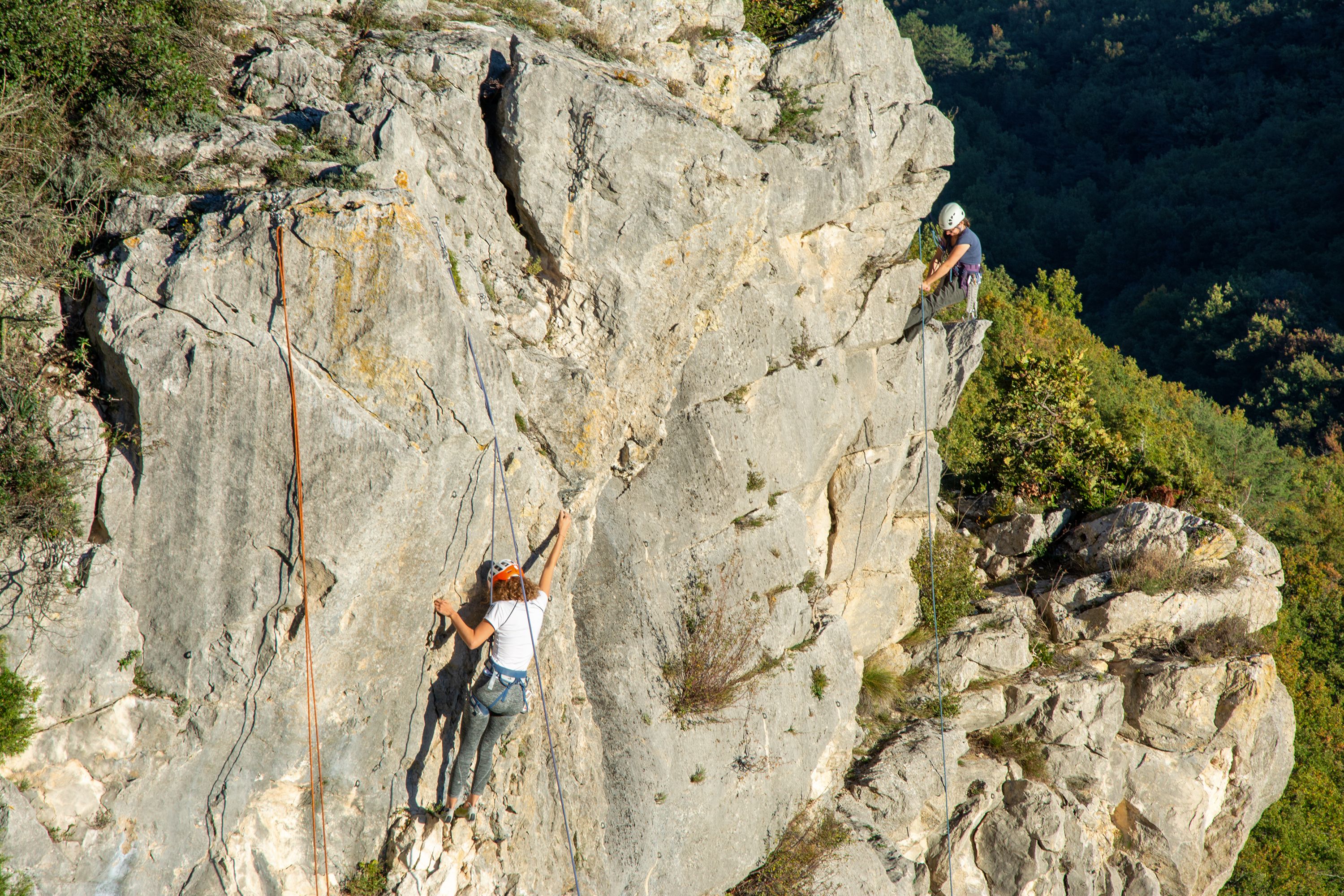
Good marketing may prompt a booking, but the details decide whether a guest feels welcome. For motorcycling, that can mean protective gear that fits a wider range of bodies, clearly stated skill requirements, and instructors who teach rather than show off. At a tasting, it can mean a host who explains process and flavor without assuming a woman ordered the wrong drink. In climbing or boxing, it means transparent safety procedures, beginner-friendly instruction and a culture where questions are treated as normal.
The OurWhisky Foundation’s 2023 survey is a reminder that visibility alone does not remove old assumptions. Among 602 women working in whisky across 30 countries, 81% said they had been asked whether they actually liked whisky while working or making a purchase; 89% agreed consumers still widely perceived whisky as a man’s drink. This was a survey of women in the industry, not a representative poll of all whisky customers, but it exposes the awkward social script that can persist even as brands court new audiences.
Some gender-specific sessions can help newcomers cross the threshold. A study of women in recreational boxing found that participants could be welcomed into the gym and still be treated as peripheral, expected to demonstrate skill against male norms. Women-only introductions or coaching can offer a less intimidating first step; they become limiting only when they are the only welcoming option. The goal should be more routes in, not a permanent side room.
What businesses should change next
First, describe the activity accurately. “Beginner motorcycle handling” or “guided whiskey tasting” tells a customer what she will do; “adventure for her” can suggest that the standard version is still meant for someone else. Second, show women participating as ordinary enthusiasts, not as a novelty or a marketing prop. Third, make booking information useful: name the instructor, explain what is included, say what experience is expected, and make safety and equipment arrangements easy to find.
Women also shape what counts as a worthwhile experience: from a guided tasting or climbing day to an evening arranged on one’s own terms. For readers planning a night out, services such as Louisa are one example of booking that begins with personal choice rather than waiting for an invitation.
I think the most important change is not that women are entering “male” hobbies. It is that more businesses are learning to stop treating the presumed male customer as the default. The evidence is strongest in particular markets and activities, and it does not mean every woman wants whiskey, speed or a rock face. It does mean that an old stereotype is a poor guide to who might book next. The best experience is not one that announces it has been reinvented for women; it is one that makes a first visit feel straightforward, safe and worth repeating.
