
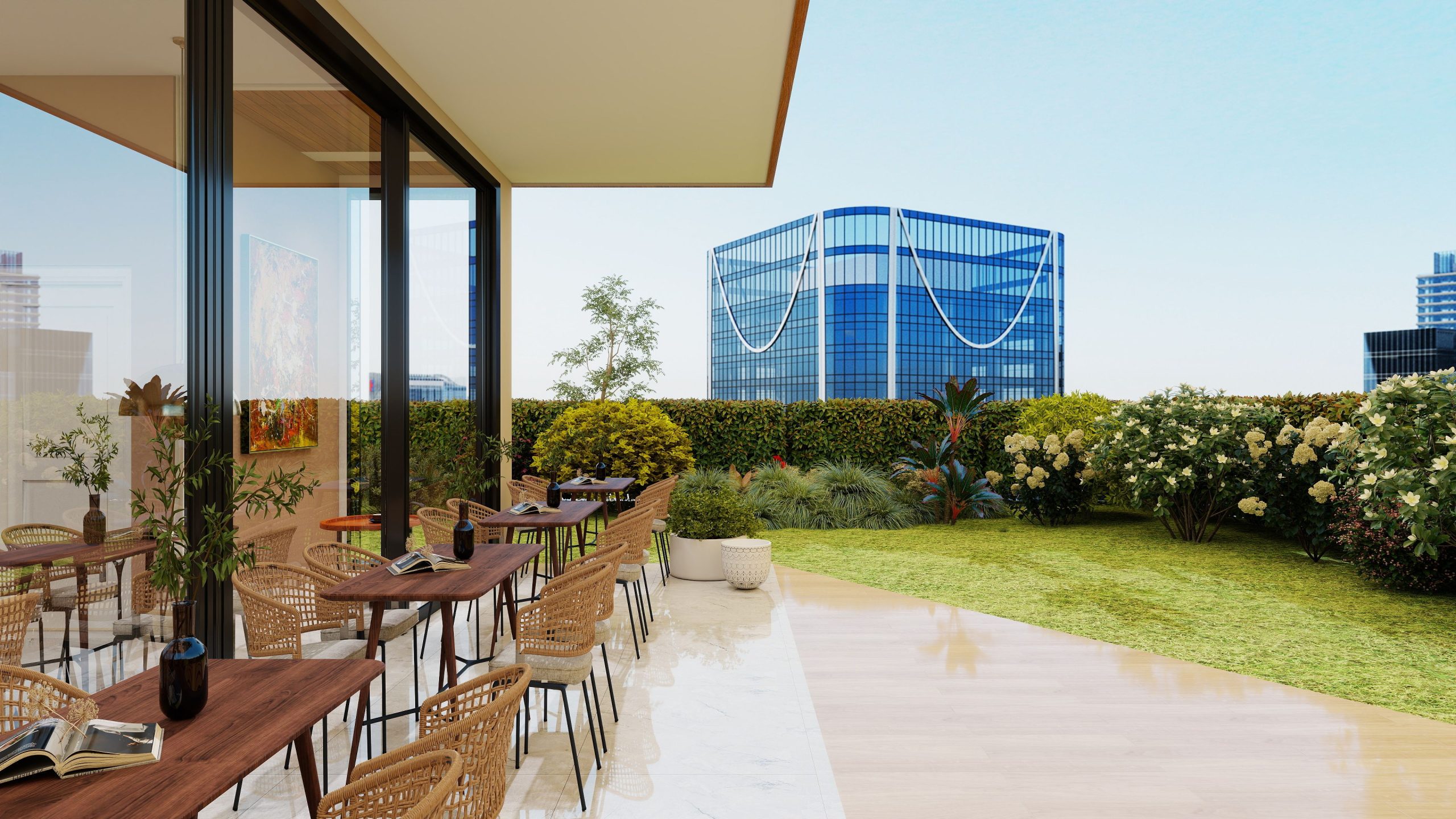
Most office workers spend the majority of their day indoors, under artificial light, with limited access to fresh air and natural views. Breaks are supposed to offset that, yet many employees eat at their desks or stay in windowless break rooms. An outdoor break area offers a different option. It gives people a place to step away from screens, move their bodies, and reset their attention, and it can become one of the most practical tools for improving the workplace environment.
Table of Contents
- Why Break Time Matters at Work
- What the Research Says About Nature at Work
- Designing an Effective Outdoor Break Area
- Comparing Break Area Options
- Supporting Team Connection and Communication
- Outdoor Breaks and Outdoor Work
- Balancing Indoor and Outdoor Break Options
- Frequently Asked Questions
- Final Thoughts
Why Break Time Matters at Work

A break is not wasted time. Short pauses help people sustain concentration, make fewer mistakes, and return to demanding tasks with more energy. When breaks are poorly planned or skipped altogether, the effects tend to show up as fatigue, irritability, and lower-quality work. An outdoor space can make those pauses more restorative because it changes the setting completely.
Employers who want to make the most of break time often focus on a few core benefits:
- Lower daytime stress and a calmer mental state
- Better focus when people return to their desks
- Physical movement, including walking to and from the space
- Fresh air and exposure to daylight
- Stronger informal relationships between colleagues
What the Research Says About Nature at Work
The idea that nature supports wellbeing is not new, but researchers have only recently started testing it in workplace settings. A systematic review of workplace nature-based interventions published in Frontiers in Psychiatry found consistently positive effects on mental health indicators and cognitive ability, though the evidence for recovery and restoration was more mixed. The authors noted that many studies had a high risk of bias, so the field still needs larger and more rigorous trials.
Even with those limits, the findings point in a useful direction. Several smaller studies have reported similar patterns:
- A randomised field experiment found that a ten-minute break in a purpose-built biophilic space reduced post-break anxiety more than a break in an ordinary meeting room.
- A study of university staff found that an outdoor break reduced perceived stress more than an indoor break over four weeks.
- A 2021 randomised trial linked a nature-based programme during working hours to lower cortisol levels and improved cognitive performance.
The takeaway for employers is not that a single bench will solve workplace stress. It is that short, regular contact with nature during the working day appears to make a measurable difference.
Designing an Effective Outdoor Break Area
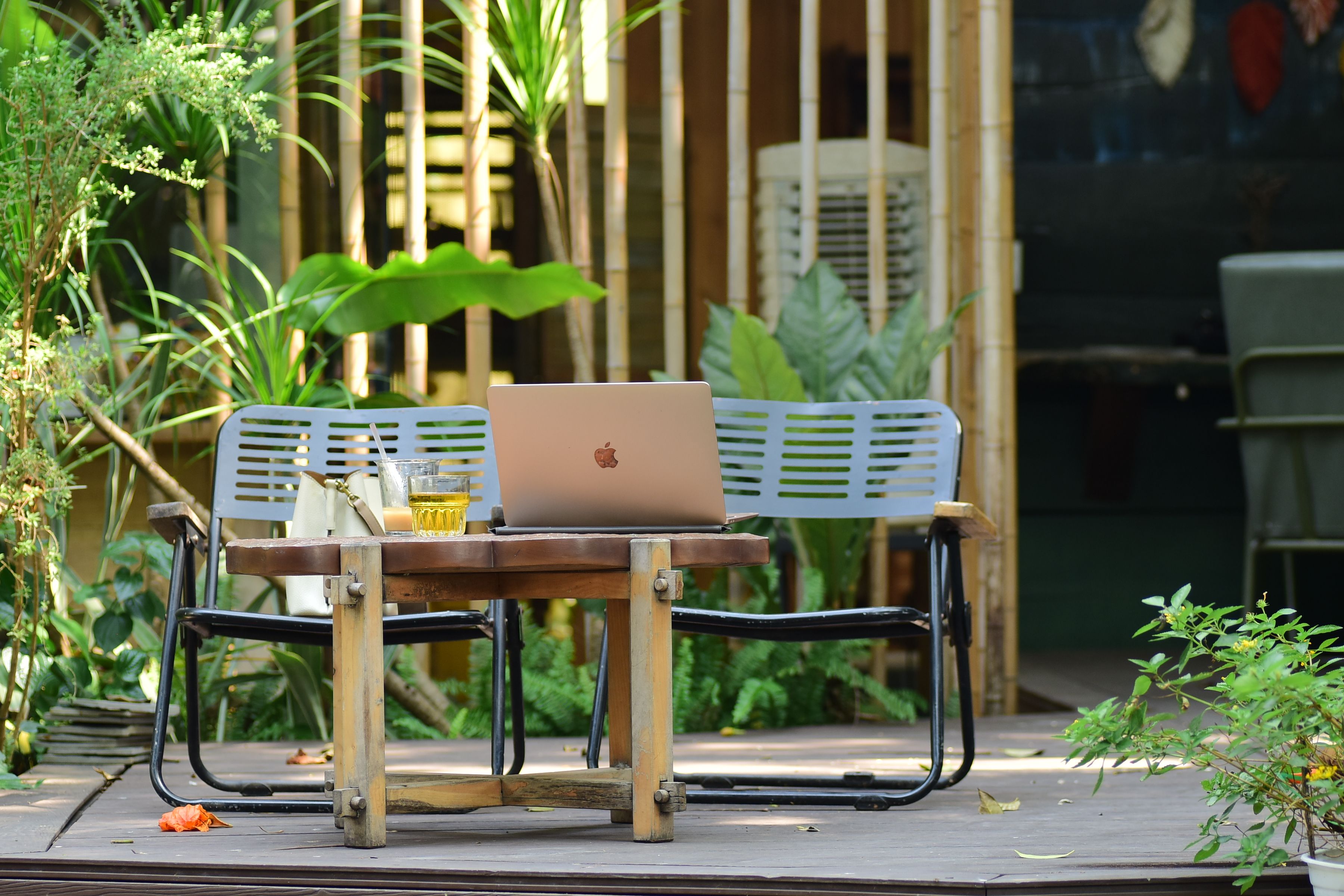
A break area only works if people actually want to use it. Good design makes the space comfortable in all seasons and easy to reach from the office. Teams that get this right usually pay attention to the following:
- Shade and shelter: Overhead cover from sun and rain keeps the area usable year-round.
- Comfortable seating: A mix of benches, lounge chairs, and tables suits both quick breaks and longer lunches.
- Greenery: Plants, hedges, or planters soften the view and reduce the feeling of being in a built environment.
- Quiet zones: Separating lively social areas from calmer corners lets people choose the atmosphere they need.
- Durable, low-maintenance surfaces: Materials should handle weather and heavy use without constant upkeep. Many designers choose aluminium decking for this reason, since it resists rot, warping, and insects while still offering a warm, natural look underfoot.
- Accessibility: Step-free routes, clear signage, and seating at varied heights make the space usable for everyone.
Lighting also deserves attention. If the area is used in the late afternoon or during darker months, low-level lighting makes it feel safe and inviting without creating glare.
Comparing Break Area Options
Not every organisation has the same space or budget. The table below compares common outdoor break area types so you can match an option to your site and the way your team works.
For many organisations, a modest courtyard or covered patio delivers most of the benefit at a manageable cost. Larger projects such as rooftop terraces make sense when the building and budget allow for them.
Supporting Team Connection and Communication

Break areas are also social spaces. In hybrid and distributed teams, people often lose the casual conversations that once happened by the coffee machine. An outdoor area can bring those moments back. Employees from different departments meet, share ideas, and build the kind of working relationships that make formal collaboration easier.
Outdoor settings tend to make conversations feel more relaxed. Without a meeting table between people, discussions often become more open. Employers can encourage this by:
- Hosting occasional informal lunches or walking meetings
- Providing movable seating so groups can rearrange themselves
- Keeping the space free of work equipment to signal that it is for rest
- Recognising that some employees prefer solitude, and offering quiet corners for them
Outdoor Breaks and Outdoor Work
Outdoor break areas can also open the door to limited outdoor work. A study from a Swedish municipality reported that outdoor office work was associated with feelings of wellbeing, recovery, autonomy, and improved communication, and that some participants felt more productive when working outside. The researchers were clear that these benefits depended on suitable outdoor spaces being close to the workplace and on managers supporting the practice.
This suggests a practical approach. Rather than treating outdoor space as a perk, employers can design it as a flexible area where people take calls, hold quick discussions, or complete focused tasks on a laptop when the weather allows. Clear guidance on when and where outdoor work is appropriate helps avoid confusion and protects employees from feeling guilty about stepping outside.
Balancing Indoor and Outdoor Break Options

Outdoor areas will not suit every day. Rain, extreme heat, and cold can make them unusable for much of the year in some climates. The strongest workplace environments offer both indoor and outdoor options so employees can choose what works on a given day. A well-stocked indoor kitchen or lounge still plays an important role, especially when it has large windows, plants, and natural light.
When planning break provision, consider these questions:
- How many people need to be accommodated at peak times?
- Which months are most likely to make outdoor use difficult?
- Are there accessible routes for employees with mobility needs?
- Is there enough shade and seating for both short and long breaks?
Frequently Asked Questions
Do outdoor break areas actually reduce workplace stress?
Several studies suggest they can. Randomised and controlled trials have reported lower perceived stress and anxiety after breaks in natural or nature-inspired settings. However, the research is still developing, and results vary with the design of the space and how often people use it.
How much space is needed for a useful outdoor break area?
A small area can be effective. A few seats, a table, and some planting in a shaded corner may be enough for a small team. Larger organisations may need several zones to handle peak lunch times without crowding.
What if employees do not use the space?
Low use often points to a design or policy issue. Check whether the area feels safe, has shade and seating, and is clearly open to staff. Asking employees what would make them use it more often usually produces useful ideas.
Final Thoughts
An outdoor break area is one of the few workplace improvements that benefits almost everyone at once. It offers a simple way to give people fresh air, a change of view, and a chance to connect with colleagues, all within the working day. The most successful spaces are thoughtfully designed, easy to reach, and supported by managers who encourage people to use them. Start with a clear idea of what your team needs, test a simple layout, and adjust based on how people actually use it.
