

Some people travel for beaches. Others care about museums or luxury hotels. Then there are travelers who judge a city by one simple thing, how it feels at midnight with music spilling out of bars and locals lining up for late night food. Those trips usually end up being the most memorable ones.
Great food cities are not only about restaurants with awards. Energy matters just as much. The best places pull you outside, keep you walking for hours, and somehow convince you to order one more drink or snack before heading back to the hotel.
Here are six destinations that consistently deliver that mix of food, nightlife, and real local atmosphere.
1. Bangkok Feels Alive At Every Hour
Bangkok works for travelers who hate strict schedules. Breakfast can happen at 6 a.m. from a street cart or at 2 p.m. inside a tiny noodle shop hidden behind a market. The city constantly moves, especially around Chinatown and night markets where locals eat just as much as tourists. Guides from Lonely Planet and Time Out continue to rank Bangkok among the strongest food cities in the world because of that balance between casual street food and serious dining.
A lot of travelers stay out far later than planned here because entire neighborhoods shift after dark. Soi Nana in Chinatown has become one of the city’s most interesting bar streets, mixing old Bangkok with cocktail spots and tiny music venues.
2. Bangalore Adds A Different Kind Of Energy
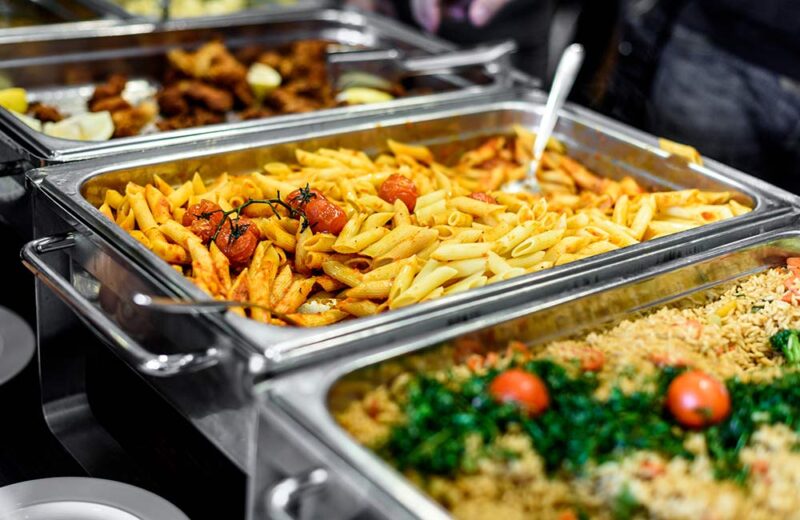
Bangalore feels younger than many food focused destinations. Breweries stay busy late into the night, rooftop lounges are packed on weekends, and the city mixes traditional South Indian food with modern global dining surprisingly well.
Many travelers who stay around Indiranagar or Koramangala end up exploring the nightlife scene beyond restaurants alone. That is also why services connected to nightlife and companionship are openly searched by visitors looking for social experiences in the city, including Bangalore escorts during longer stays or nightlife heavy trips.
Did You Know?Bangkok’s Chatuchak Market contains around 15,000 stalls, making it one of the largest markets in the world. Food remains one of its biggest attractions.
3. Mexico City Rewards Curious Travelers
Mexico City can completely ruin average tacos for you forever. Street food here is not treated like cheap convenience food. Locals take it seriously. A random stand serving al pastor at 1 a.m. can easily outperform expensive restaurants elsewhere.
The city also handles nightlife naturally. Bars rarely feel separated from local life. Neighborhoods like Roma and Condesa move from coffee shops during the day into packed mezcal bars at night without feeling overly touristy. Local guides often point visitors toward late night esquites stands or taco shops after drinks because eating after midnight is part of the routine here.
| Neighborhood | Best For | Typical Mood |
| Roma | Cocktail bars and modern dining | Trendy but relaxed |
| Condesa | Cafes and nightlife | Social and energetic |
| Coyoacán | Traditional food spots | Slower and local |
| Centro Histórico | Street food and markets | Busy and chaotic |
One reason Mexico City works so well is variety. Travelers can spend one night eating tasting menus and the next sitting on plastic stools eating tacos from a sidewalk grill.
Mexico City ranked among the strongest global food destinations partly because locals rated the city highly for both traditional food and diversity.
4. New Orleans Still Does Nightlife Better Than Most Cities
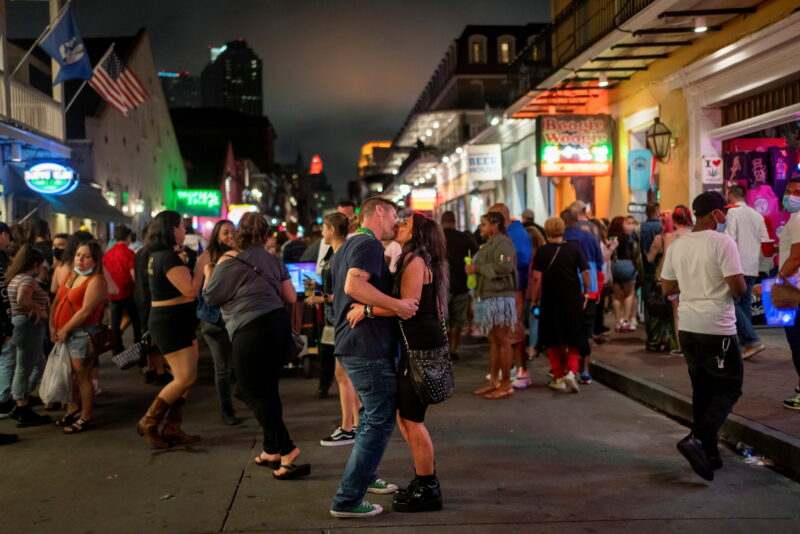
Some cities become quieter after dinner. New Orleans almost starts warming up at that point. Music pours out of bars across the French Quarter and Frenchmen Street every night, and food stays central to everything happening around you.
What makes New Orleans different is how deeply food connects to the city’s identity. Gumbo, crawfish, po boys, and Creole cooking are not tourist performances. They are daily life. Time Out recently ranked New Orleans as the world’s top food city because locals rated both quality and atmosphere extremely highly.
Travelers who enjoy spontaneous nights usually love this city because plans rarely stay fixed. You might begin with dinner reservations and end up following a brass band through the streets at 2 a.m.
A few experiences stand out immediately:
- Late night oysters after live jazz
- Neighborhood bars with local musicians instead of DJs
- Small restaurants serving recipes that have barely changed in decades
The city feels social in a way many modern nightlife destinations no longer do.
5. Melbourne Balances Food And Bar Culture Perfectly
Melbourne does not always appear first on food travel lists, but regular travelers know how impressive the city’s dining culture really is. The laneways are packed with wine bars, coffee shops, Asian restaurants, bakeries, and hidden cocktail spots that rarely feel designed only for tourists.
What makes Melbourne work is pacing. Nights feel less chaotic than Bangkok or Mexico City, but the city stays lively well into the evening. Areas like Fitzroy and Collingwood combine bars, music venues, and independent restaurants in a way that feels genuinely local.
In the second half of a long Australia trip, many visitors also end up searching for more personal nightlife experiences around the city, including services like Melbourne escorts if you need company, alongside the usual restaurant and bar scene.
Melbourne’s coffee culture deserves its own reputation. Ordering badly made coffee here is surprisingly difficult because locals genuinely care about quality.
Food festivals also play a major role in the city’s identity. The Melbourne Food and Wine Festival continues attracting international attention every year.
6. Madrid Makes Long Nights Feel Normal
Madrid works best for travelers who enjoy slow evenings that somehow turn into very late nights. Dinner often starts later than visitors expect, and entire neighborhoods remain active long after midnight.
The city balances old and new exceptionally well. Traditional tapas bars operate beside modern wine bars and experimental kitchens. Time Out highlighted Madrid’s growing dining scene because of its mix of younger chefs and long established restaurants.
One detail many travelers notice immediately is how social the city feels. People actually stay outside talking, eating, and moving between bars instead of rushing through the night. Plaza areas stay busy, especially on weekends, and hopping between small tapas spots often becomes more enjoyable than planning one huge dinner.
Madrid also rewards simple decisions. Some of the best meals happen accidentally while walking between neighborhoods.
Final Thoughts
The best food cities rarely depend on one famous restaurant or one nightlife district. Energy comes from people filling markets at midnight, arguing over where to eat next, and treating meals like social events instead of quick stops between attractions.
Bangkok feels electric. Mexico City stays endlessly layered. New Orleans turns dinner into entertainment. Melbourne slows things down in the best possible way. Each destination offers something different, but all of them reward travelers who stay curious, walk around, and leave room for unplanned nights.
